Thai Fruit Guide: 20 Seasonal Fruits You Must Try in Thailand!
 チェンマイ坂田
One of the great joys of traveling in Thailand? Thai fruits.
Nurtured by eternal sunshine and fertile soil, Thailand offers an incredible variety of tropical fruits year-round — from luscious mangoes to the famously pungent durian.
In this guide, we cover peak seasons, key growing regions, health benefits, and the best local ways to enjoy each fruit. We've also packed in tips for buying at the market and fun trivia to help you discover your favorites without any guesswork. Let's dive into the world of Thai fruits!
Hot Season & Rainy Season (April–October)
1. Mango (มะม่วง / Mamuang)
The quintessential tropical fruit — irresistibly sweet and fragrant
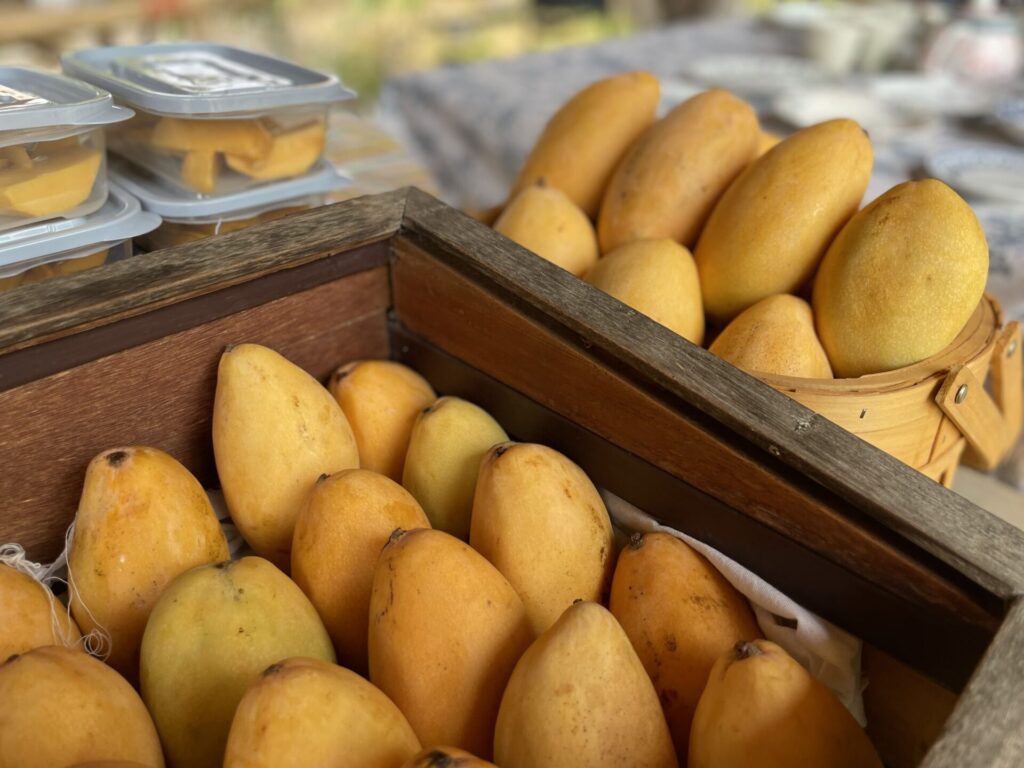
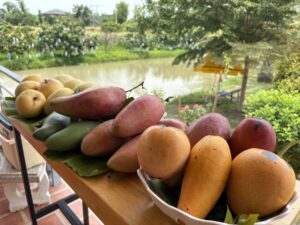
Known as mamuang in Thai, the mango is Thailand's most iconic tropical fruit. When fully ripe, the flesh melts on the tongue with a rich sweetness and intoxicating aroma.
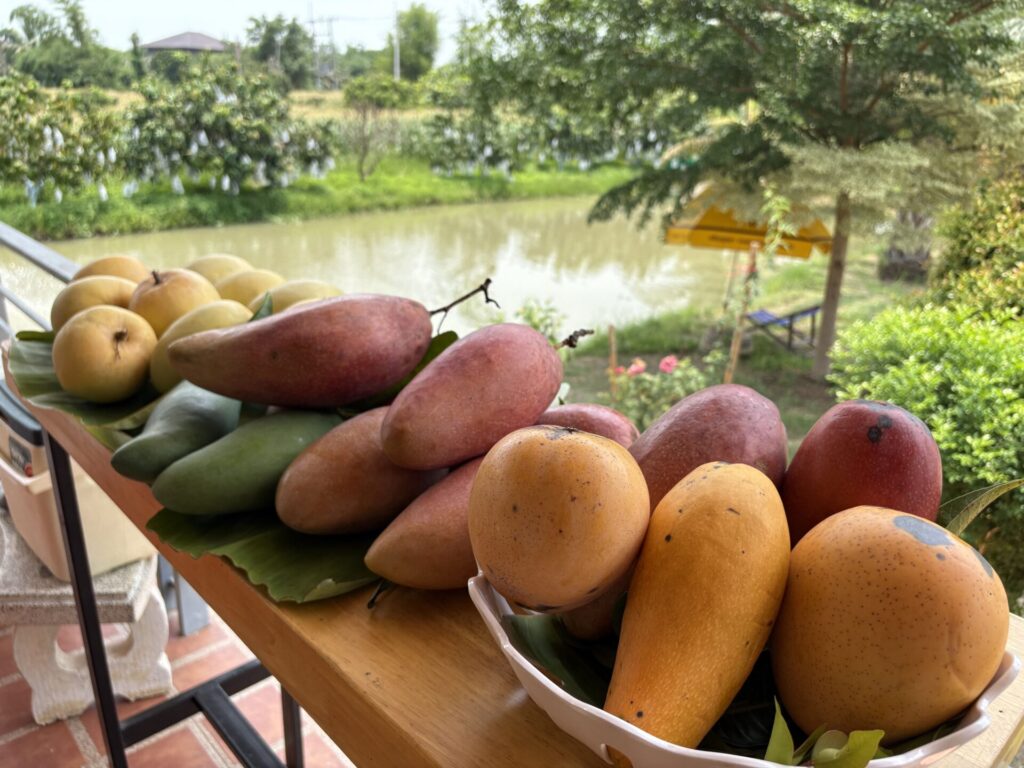
Thailand boasts over 60 mango varieties, with the intensely sweet Nam Dok Mai being the most celebrated. Peak season runs from March to May, though mangoes are available year-round — and around April, markets overflow with them at bargain prices.
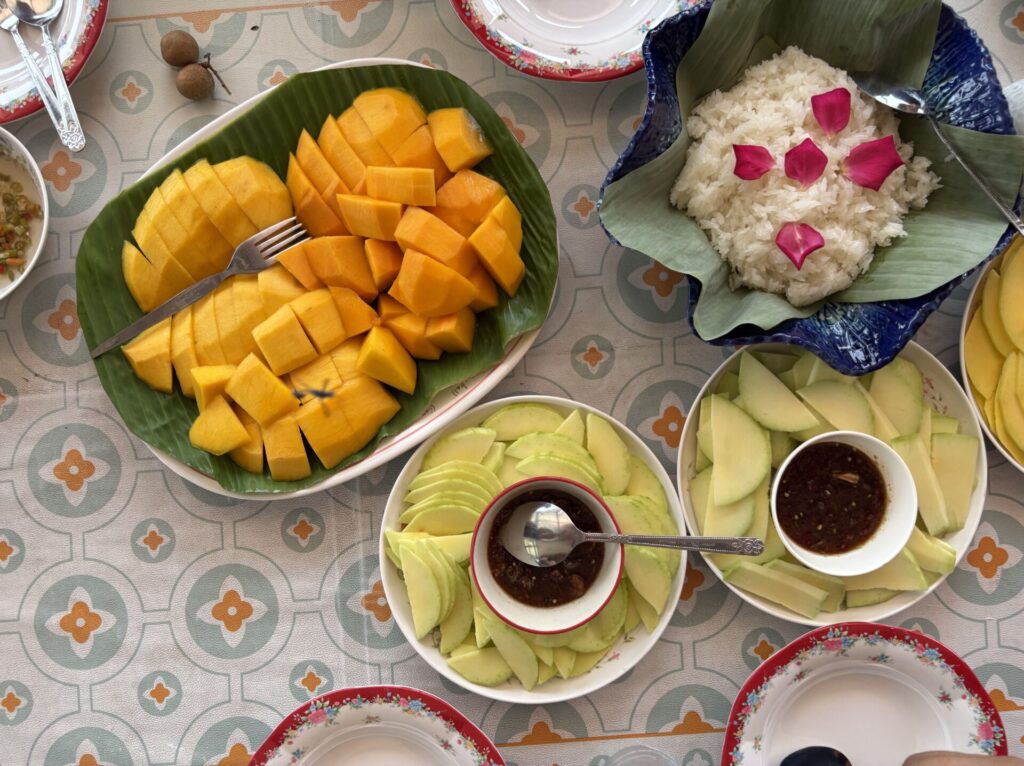
Rich in vitamins A and C, mangoes are prized for their beauty and health benefits. Locally, the classic dessert Khao Niao Mamuang — ripe mango with sweetened sticky rice — is beloved by visitors and locals alike.
Thai name: มะม่วง (Mamuang)
Looking for a mango experience beyond the market? Check out this exclusive tour:
 ManiTabi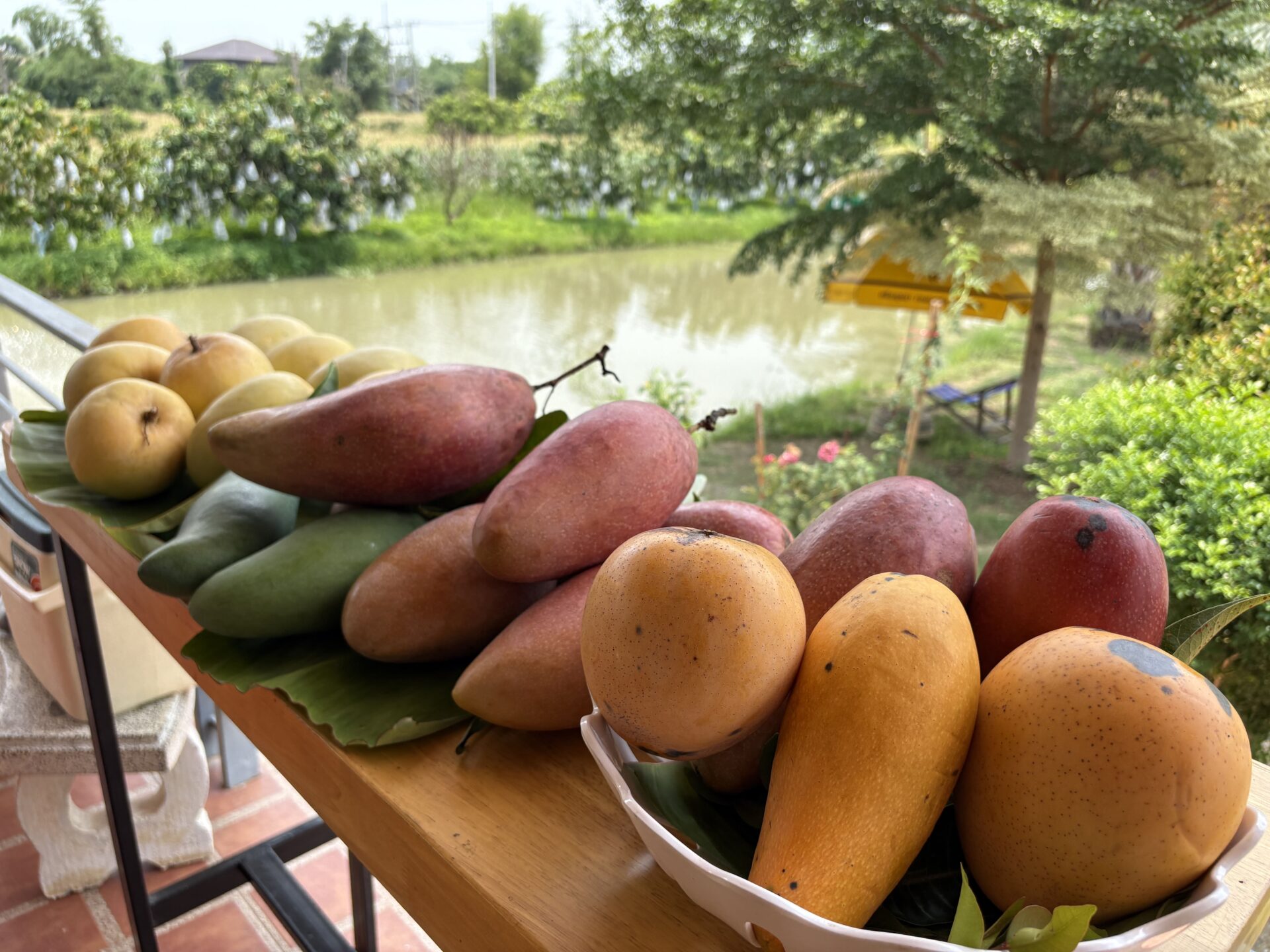
2. Lychee (ลิ้นจี่ / Linchee)
A fleeting summer treasure — blink and you'll miss it
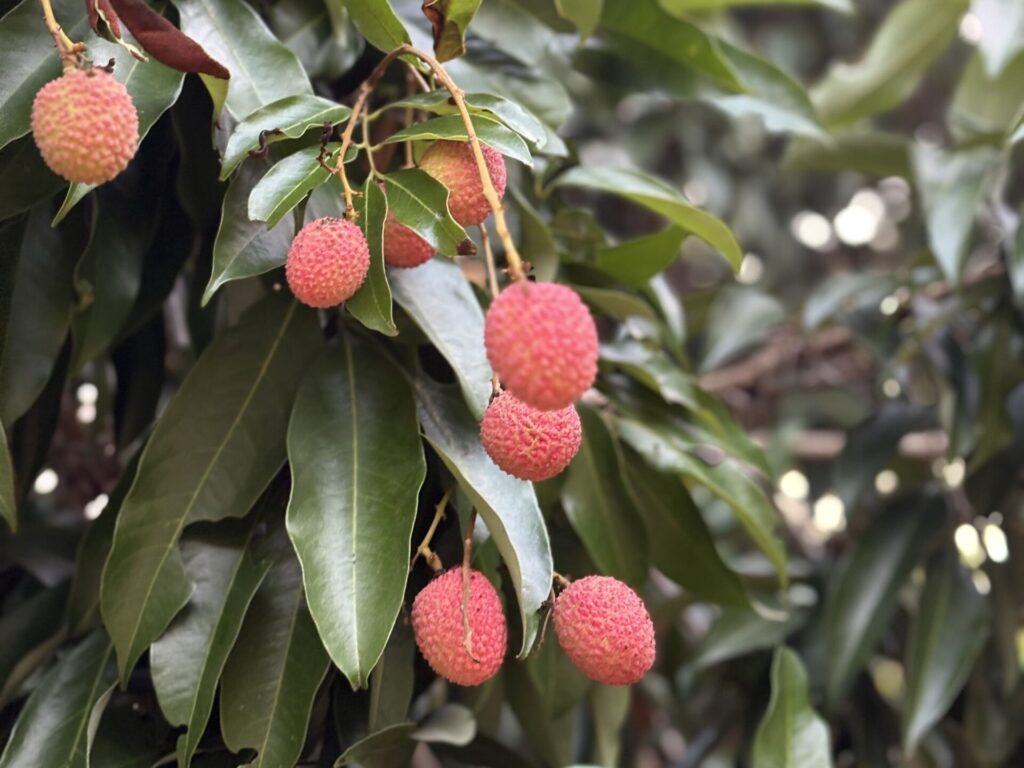
Lychee is the definition of a seasonal delicacy — its window is a brief mid-May to mid-June, making it one of Thailand's most eagerly anticipated fruits.
Peel back the rough red skin to reveal translucent white flesh bursting with delicate sweetness and a gentle tartness. In ancient China, lychee was said to be the favorite fruit of the legendary beauty Yang Guifei — and in Thailand, the Jakkapad variety is considered especially fine.
To preserve freshness, lychees are often sold still attached to the branch; once removed, the flavor reportedly fades. The finest fruits are grown in the subtropical highlands of Chiang Mai and Chiang Rai in northern Thailand.
Thai name: ลิ้นจี่ (Linchee)
3. Mangosteen (มังคุด / Mangkhut)
The Queen of Fruits — sweet, tangy, and utterly addictive
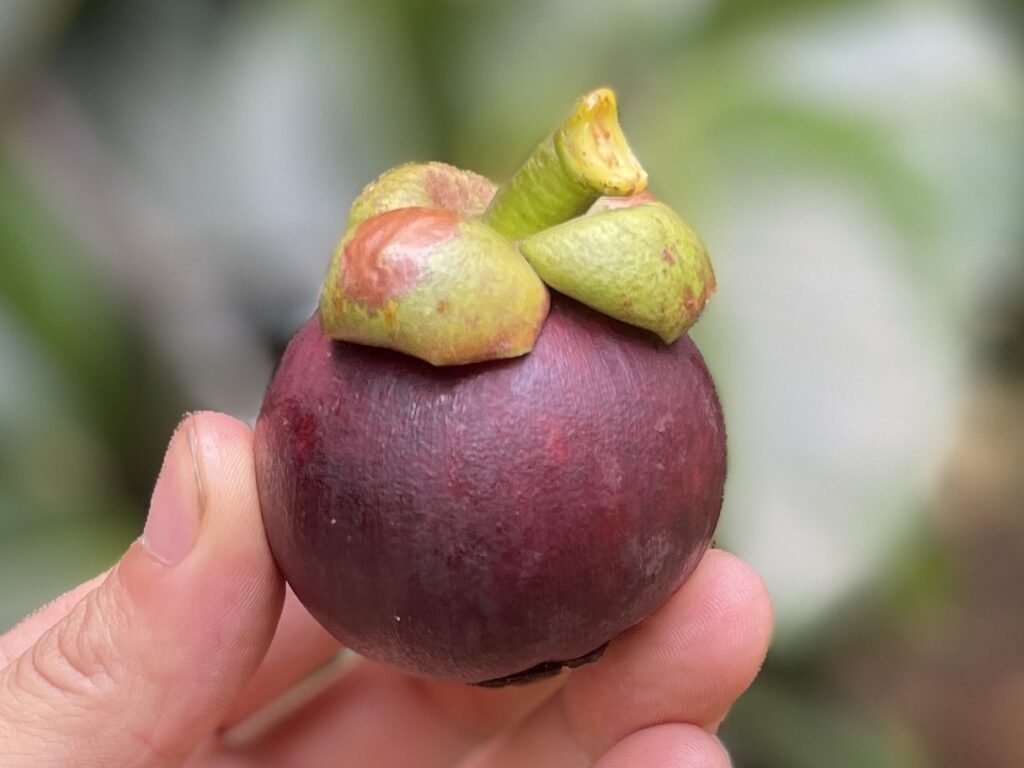
Hidden beneath a thick purple shell, the snow-white segments of mangosteen have earned it the title "Queen of Fruits." The flavor is a perfect balance of sweet and tart with a creamy richness that keeps you coming back for more. Packed with antioxidants, mangosteen has been used medicinally in China for centuries.
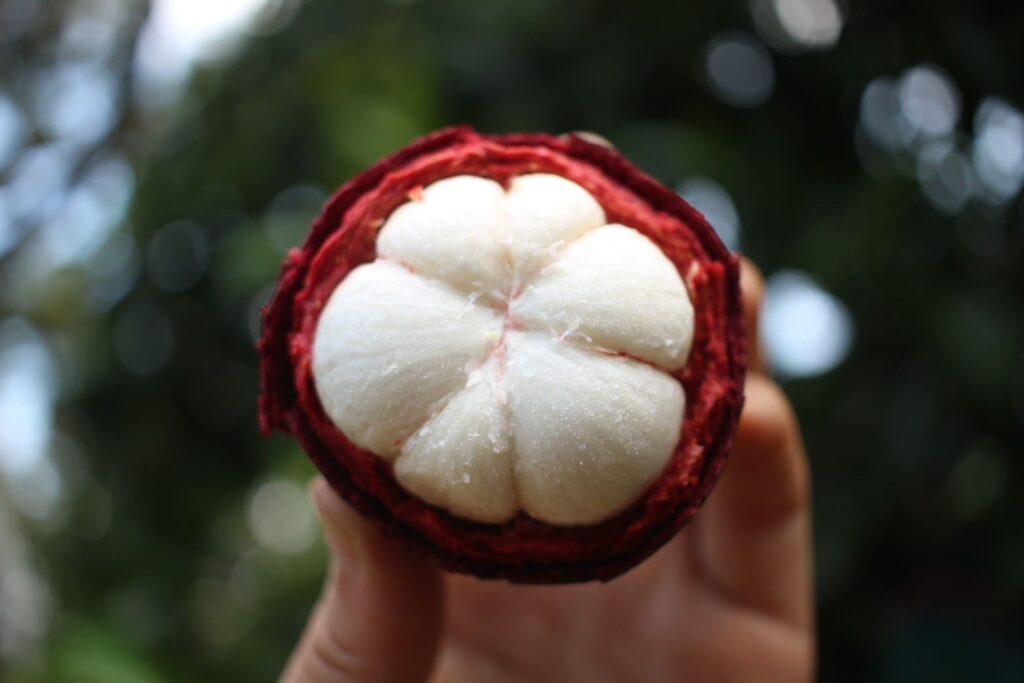
Peak season is April to August, with Nakhon Si Thammarat province in southern Thailand renowned for premium-quality fruit.
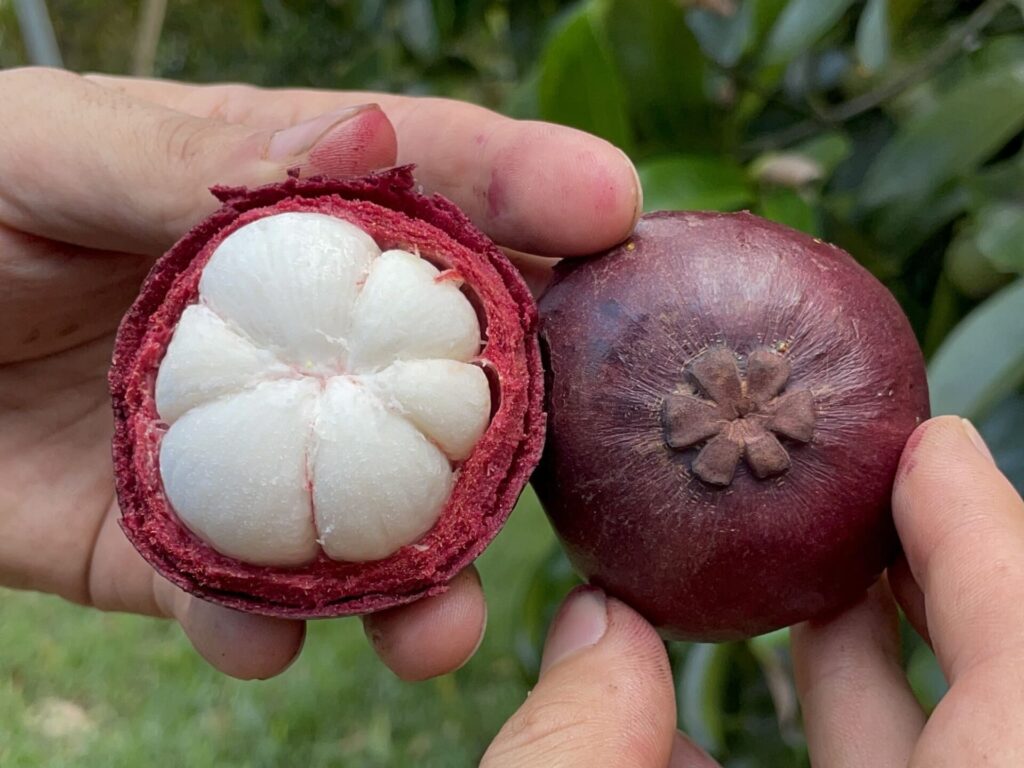
Pro tip: Count the flower-shaped bumps on the bottom of the fruit — that number tells you exactly how many segments are inside!
Thai name: มังคุด (Mangkhut)
4. Durian (ทุเรียน / Thurian)
The King of Fruits — notorious smell, unforgettable taste
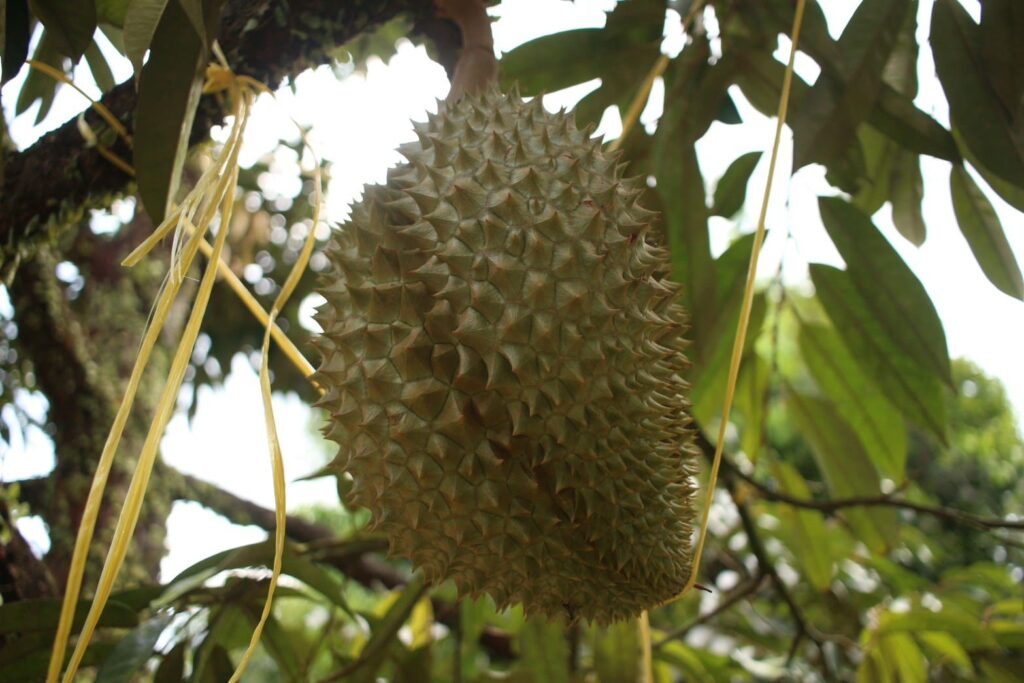
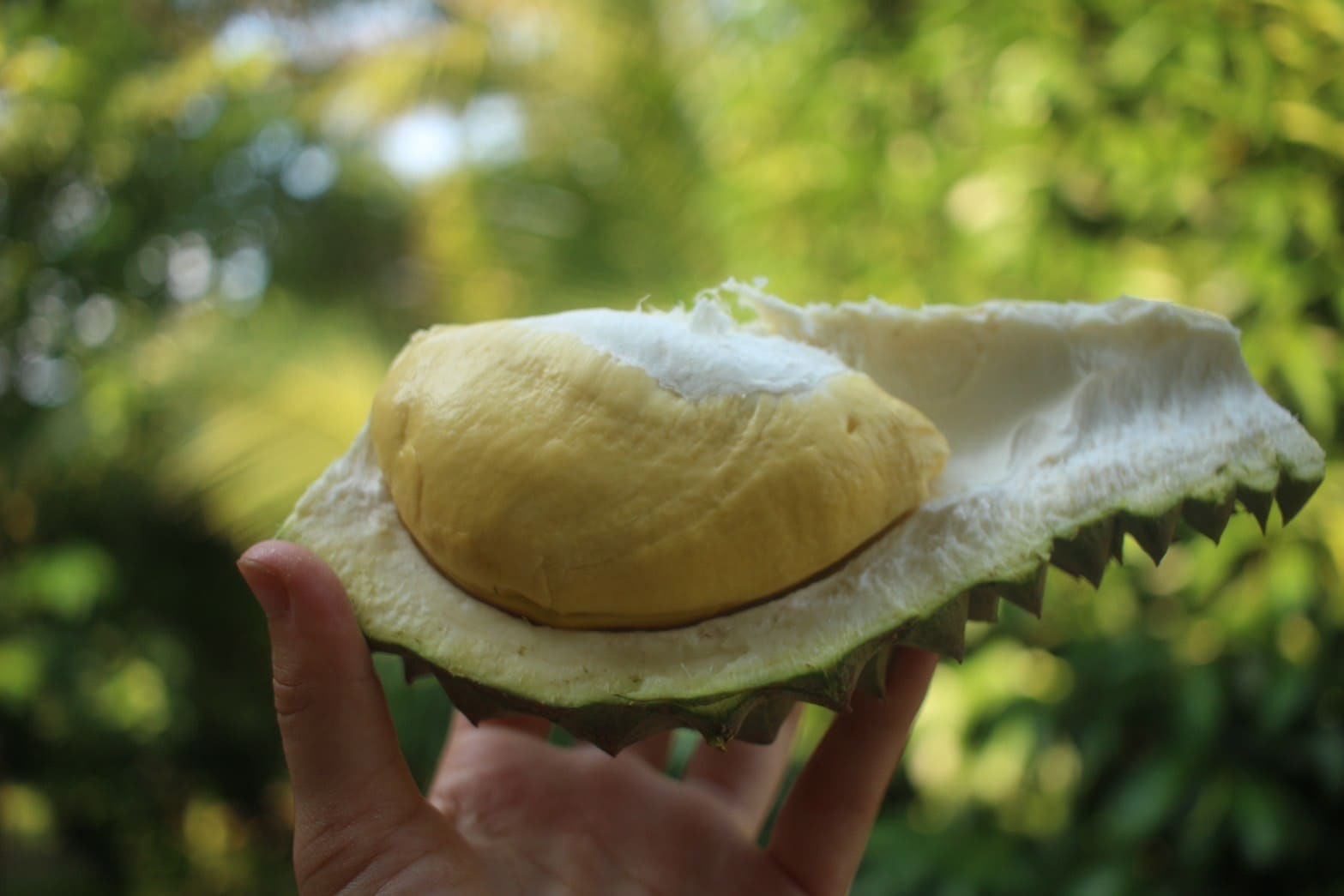
No fruit divides opinion quite like durian, the self-proclaimed "King of Fruits." Crack open the formidable spiky shell and you'll find creamy, custard-yellow flesh with an intensely rich sweetness. The smell is so powerful that durian is banned in hotels and on public transport — yet one taste and most people are hooked for life.
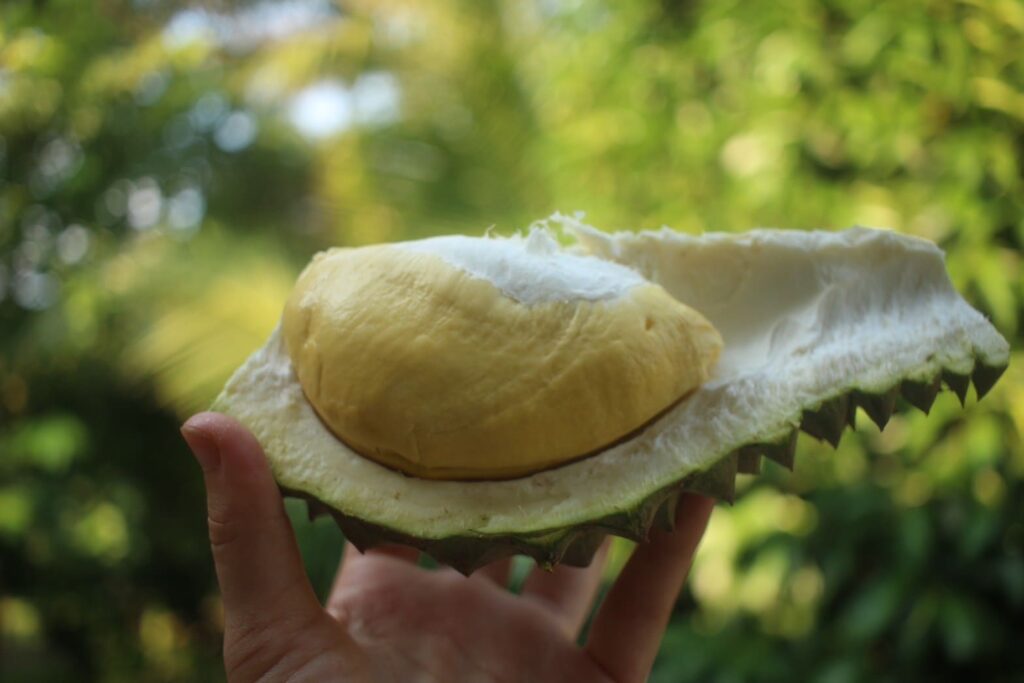
Peak season runs April to August, with Chanthaburi province in eastern Thailand among the country's top producing regions. Highly nutritious and energy-dense — but enjoy in moderation!
Thai name: ทุเรียน (Thurian)
Every April, a special durian tour departs for the source:
5. Rambutan (เงาะ / Ngo)
Looks wild, tastes wonderful — a spiky surprise from the tropics
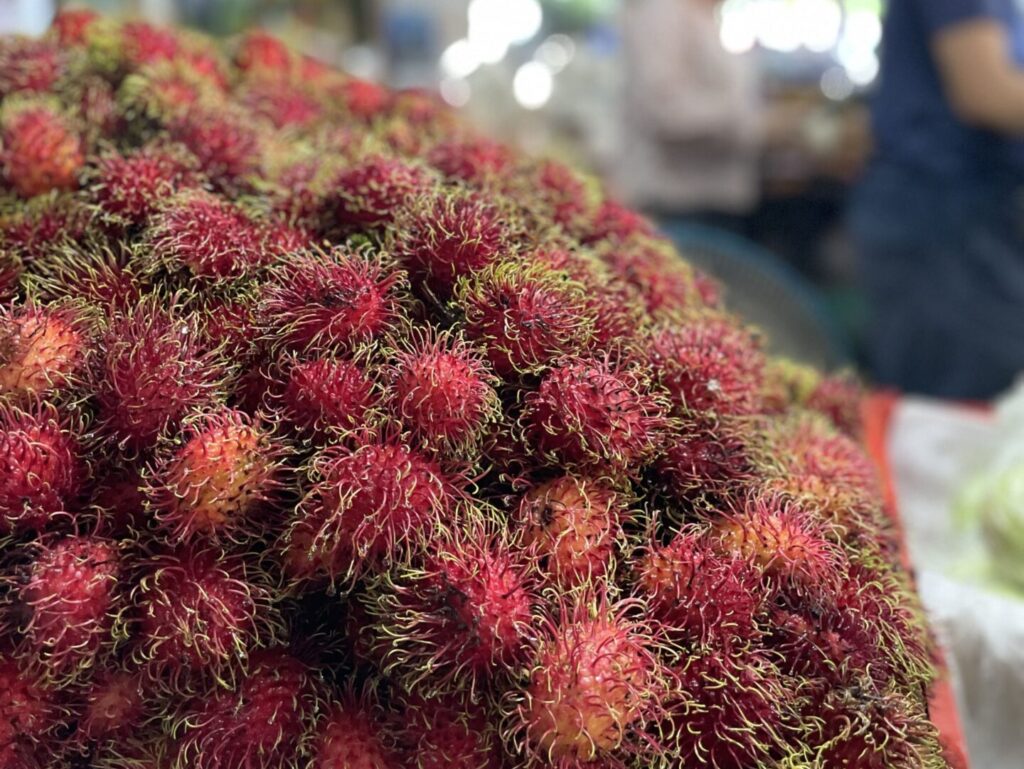
Rambutan's red shell covered in soft green hair-like spines makes it one of Thailand's most eye-catching fruits. Peel it open and the translucent white flesh inside is reminiscent of lychee — refreshingly sweet with a gentle tartness.
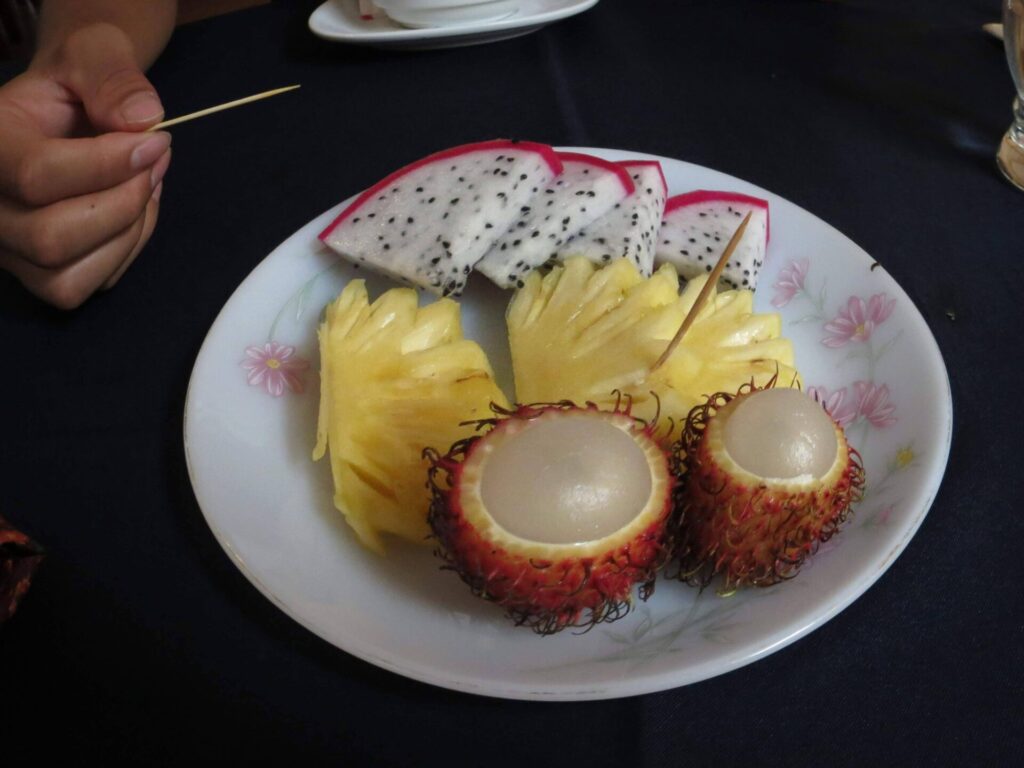
Watch out for the firm seed at the center — bite into it and you'll get an unpleasant bitterness. Peak season is April to August, with Rayong (eastern Thailand) and Surat Thani (south) the most celebrated growing regions. The Thai name ngo means "hair" — a perfect description of its wild appearance.
Thai name: เงาะ (Ngo)
6. Dragon Fruit (แก้วมังกร / Kaeo Mangkon)
A cactus fruit as dramatic as its name — light, refreshing, and nutritious
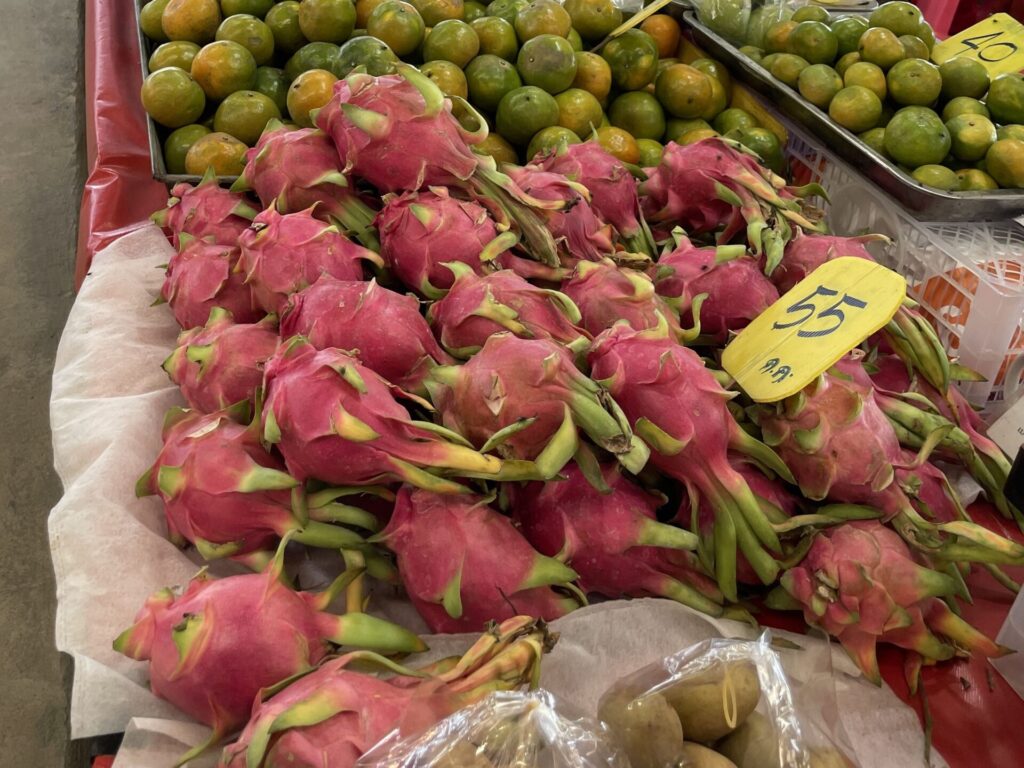
With its vivid pink skin and scale-like green fins, dragon fruit is one of the most visually striking fruits in Thailand. It's actually the fruit of a cactus — slice it open to find white or red flesh speckled with tiny black seeds.
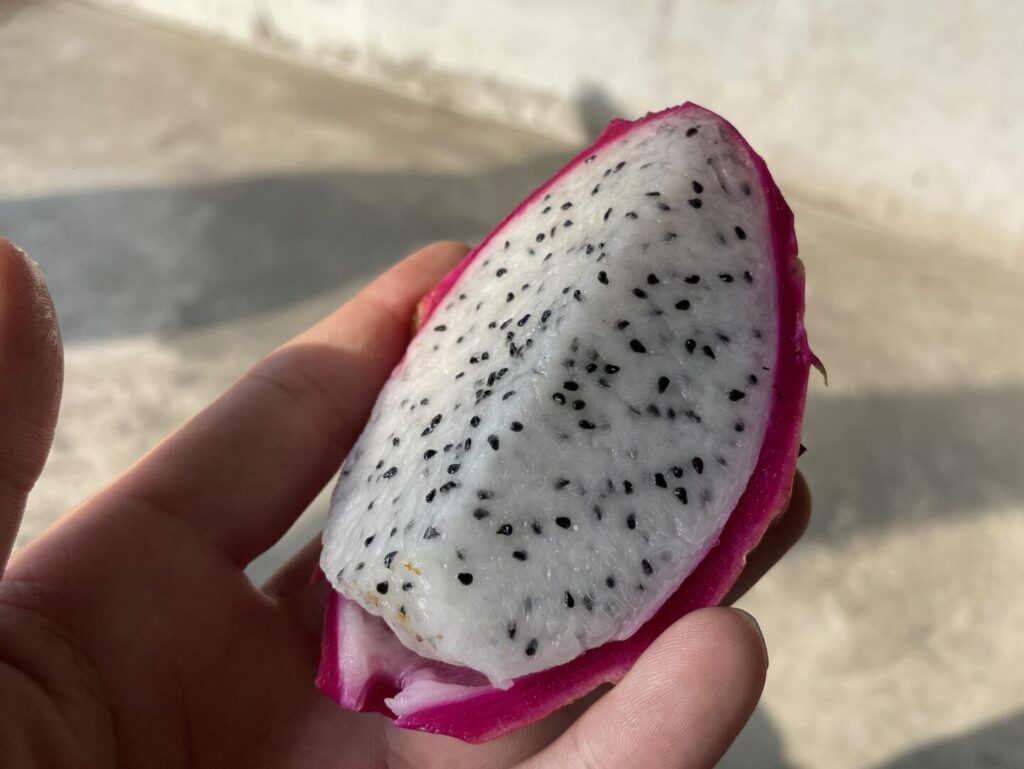
The flavor is mild and subtly sweet with a satisfying crunch — light enough to eat even on the hottest days. Rich in vitamins and fiber, dragon fruit is a year-round staple at Thai markets, though peak season is roughly March to May. The Thai name kaeo mangkon means "dragon crystal" — a nod to its jewel-like appearance.
Thai name: แก้วมังกร (Kaeo Mangkon)
7. Jackfruit (ขนุน / Khanun)
The world's largest fruit — a sweet, gummy-like tropical giant
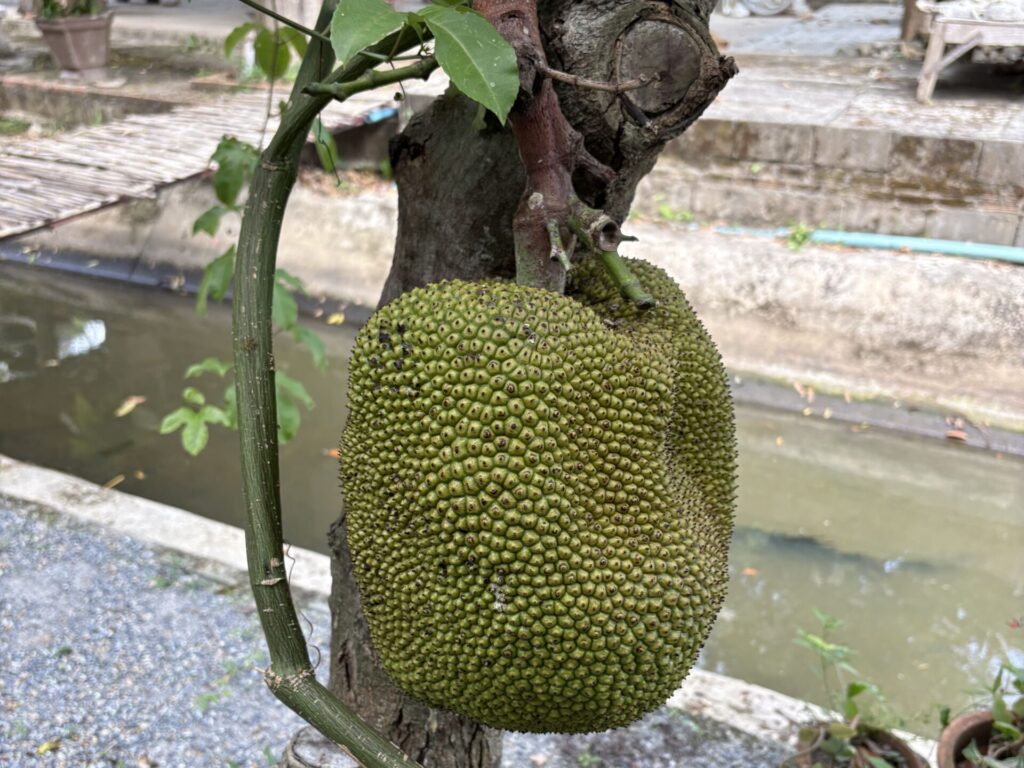
Jackfruit holds the record as one of the world's largest fruits, with individual specimens reaching up to 1 meter in length. Its bumpy green exterior looks like a scaled-down durian, but the resemblance ends there.
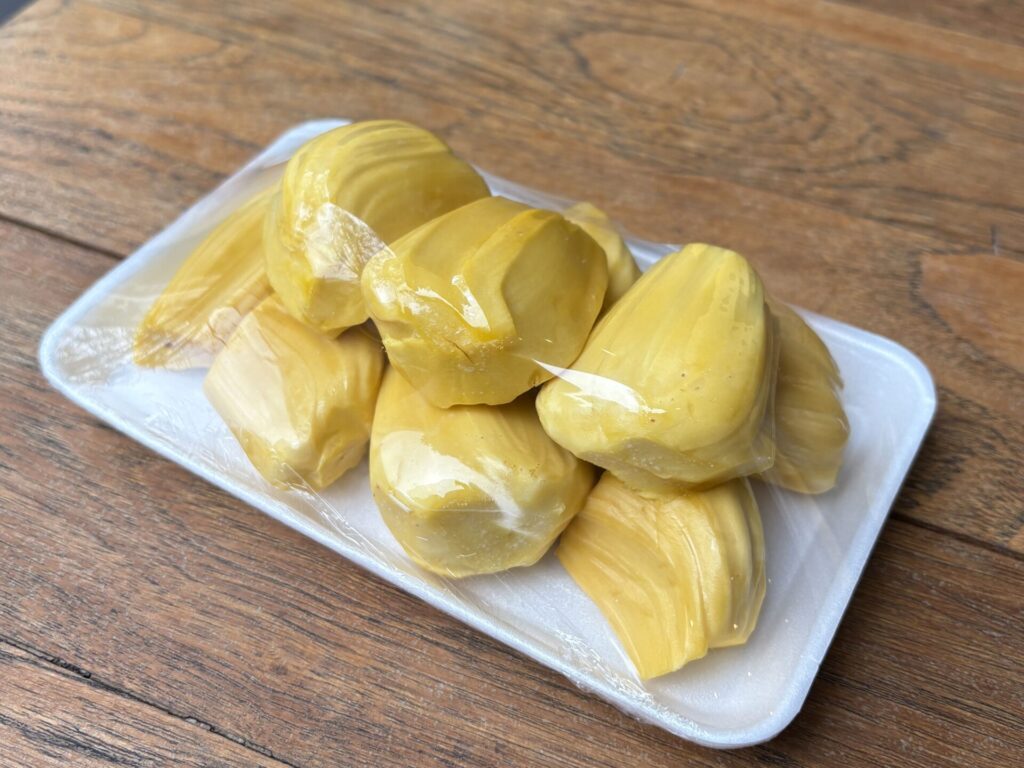
Inside, clusters of golden-yellow pods are packed tightly together, releasing a sweet aroma reminiscent of fruit-flavored candy. The texture is a unique combination of chewy and yielding — polarizing but unforgettable.
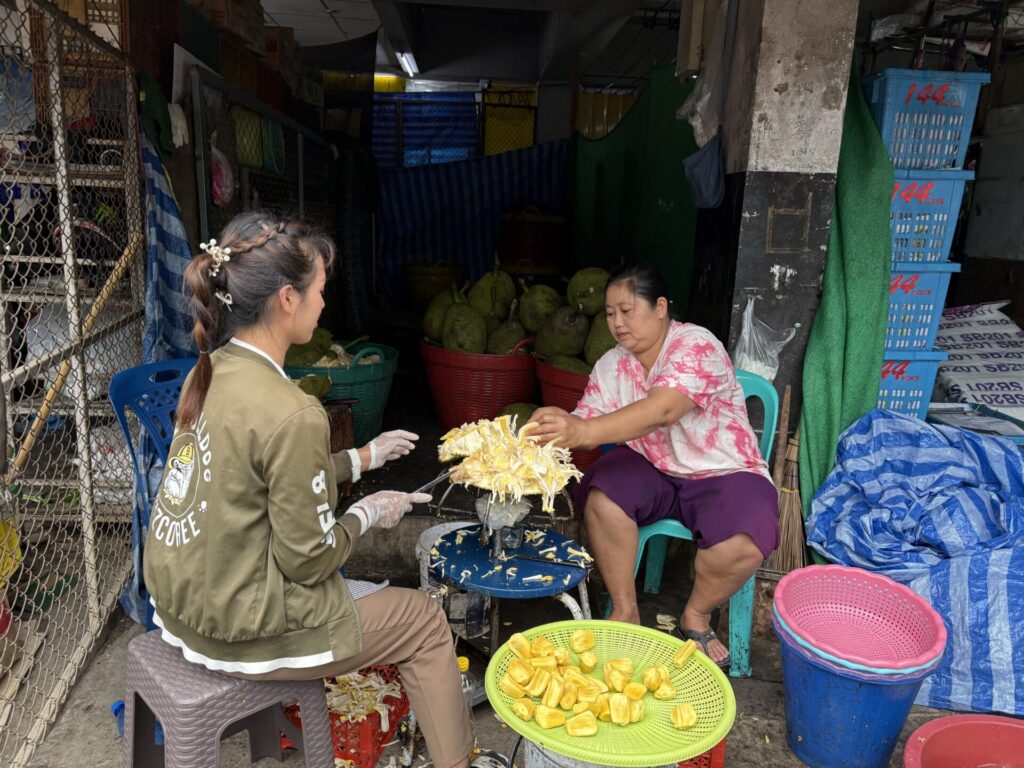
Peak season is April to June. Jackfruit is as versatile as it is large — the ripe fruit is eaten fresh; unripe fruit is cooked in curries as a meat substitute; and the seeds can be boiled or roasted for a nutty snack.
Thai name: ขนุน (Khanun)
8. Longan (ลำไย / Lamyai)
The "Dragon Eye" of northern Thailand — sweet, floral, and fragrant
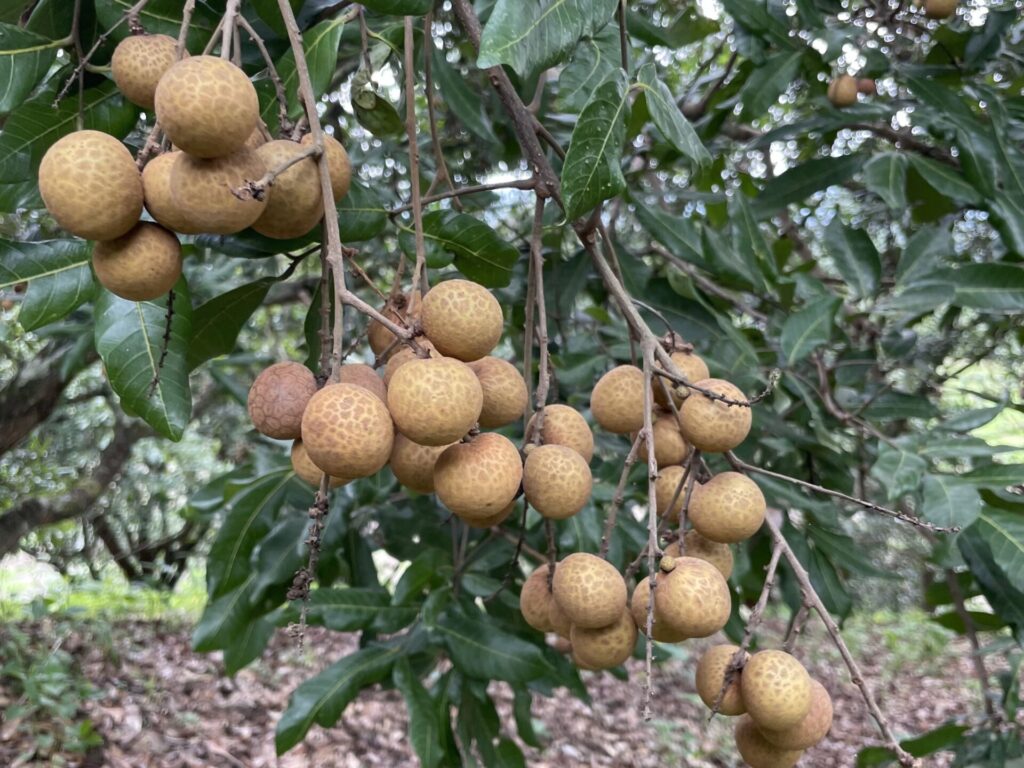
Longan (also called lamyai in Thai) is a small fruit with a thin tan shell. Its name, written in Chinese as 龍眼 ("dragon's eye"), comes from the dark round seed visible through the translucent flesh when peeled.
The milky white flesh delivers a strong, honeyed sweetness with a floral finish — think of a more perfumed version of lychee. Peak season runs July to September, and the northern provinces of Lamphun, Chiang Mai, and Chiang Rai produce roughly 70% of Thailand's total longan crop. Beyond fresh eating, longan is also dried, used in traditional medicine, and prized as a general health tonic.
Thai name: ลำไย (Lamyai)
9. Salak / Snake Fruit (สละ / Sala)
Scales like a serpent, flavor like nothing else
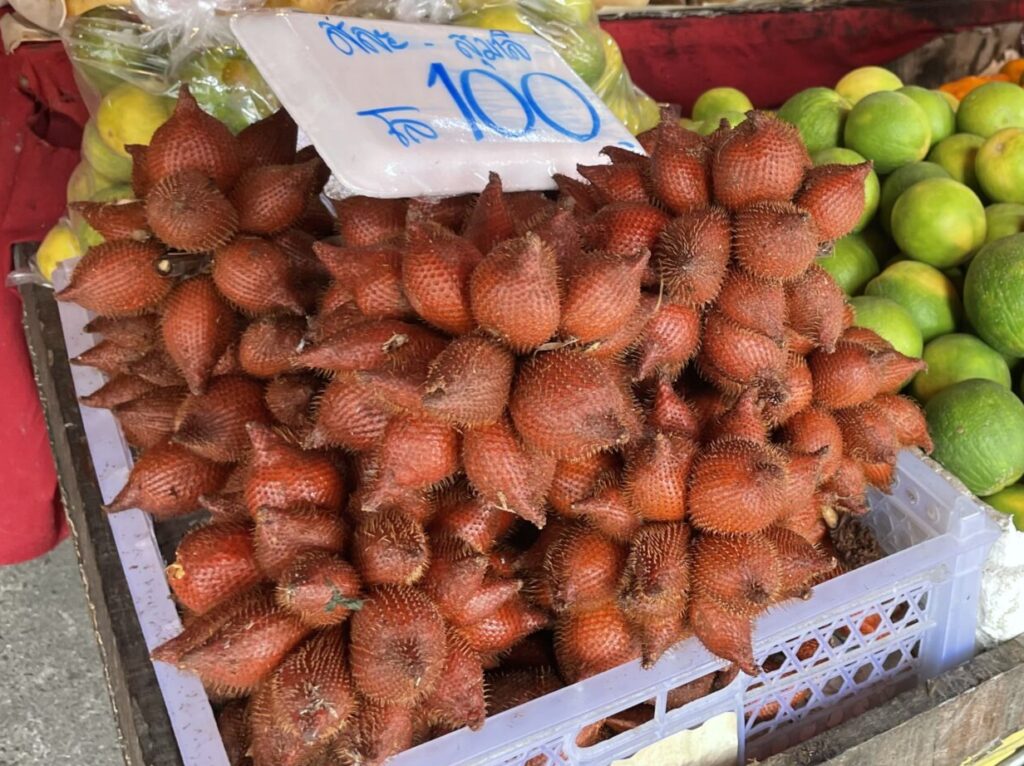
Salak's reddish-brown scaly skin earns it the fitting nickname "snake fruit." The small egg-shaped fruit has sharp spines on its skin — but at markets you'll often find it pre-peeled. Inside, the ivory flesh splits into 2–3 lobes with a shape that's oddly reminiscent of a tiny lung.
The defining characteristic is its tartness, which varies with ripeness — ripe fruit is sweet-tart with a distinctive fragrance, while fans of sour flavors will find younger fruit utterly addictive. Peak season is May to August. Chanthaburi province in eastern Thailand produces some of the finest salak, which is also processed into syrup-preserved sweets and candies.
Thai name: สละ (Sala)
Cool & Dry Season (November–February)
10. Physalis / Cape Gooseberry (โทงเทงฝรั่ง / Tong Teng Faran)
A northern Thai superfood hiding in a papery lantern
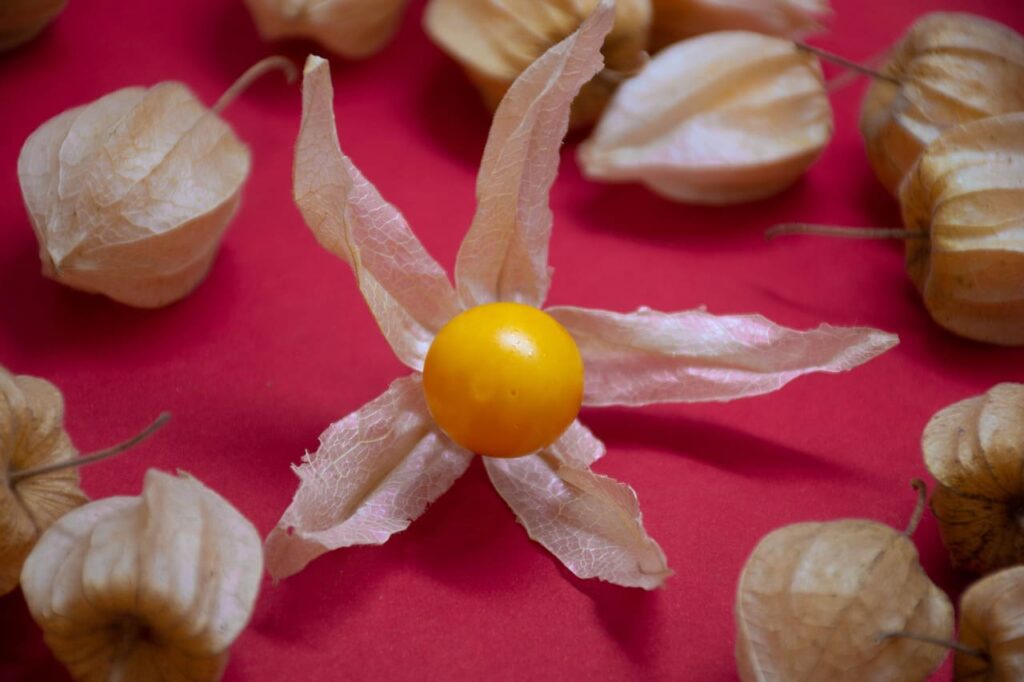
Physalis is a rarity in Japan but grows widely in northern Thailand, particularly around Chiang Mai. It's wrapped in a delicate papery husk and the orange berry inside has a sweet-tart, tomato-like flavor — which makes sense, as they're botanical relatives.
A true superfood, physalis is rich in vitamins A and C, calcium, magnesium, and inositol (which may help lower cholesterol and reduce lifestyle disease risk). Enjoy it fresh, tossed in salads, or made into jam. Originally growing wild as a weed in northern Thailand, it was cultivated through royal agricultural projects and gradually brought to market.
Thai name: โทงเทงฝรั่ง (Tong Teng Faran)
11. Tamarind (มะขาม / Makham)
Sweet, sour, and endlessly versatile — a Thai kitchen staple
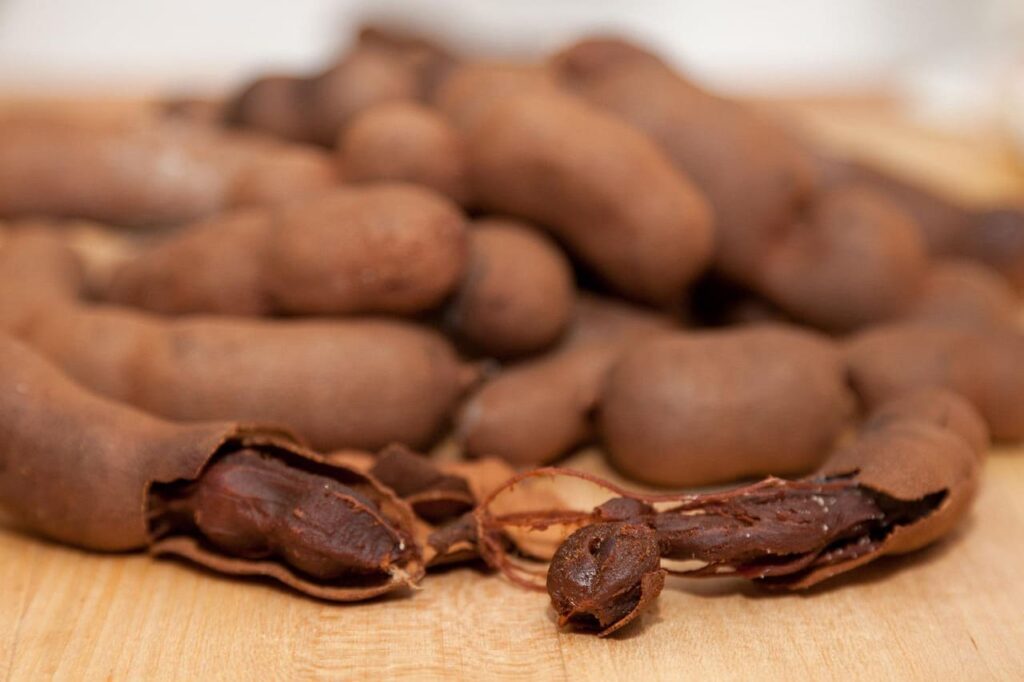
Tamarind looks like a large, elongated peanut pod. Snap it open to reveal dark brown, paste-like flesh wrapped around hard black seeds. The flavor ranges dramatically by variety: sour types have the puckering intensity of pickled plum, while sweet varieties (makham wan) are rich and jammy like dried persimmon.
Phetchabun province in northeastern Thailand is renowned for its sweet tamarind, where the climate and soil produce fruit of exceptional quality. Peak season is roughly October to February. At markets, look for dried tamarind, sugar-coated versions, and tamarind candy — all popular souvenirs. Sour tamarind paste is also an essential ingredient in fish dishes and is a secret weapon in tom yum soup.
Thai name: มะขาม (Makham)
12. Pomelo (ส้มโอ / Som-O)
The king of citrus — refreshing, juicy, and great with a chili-salt dip
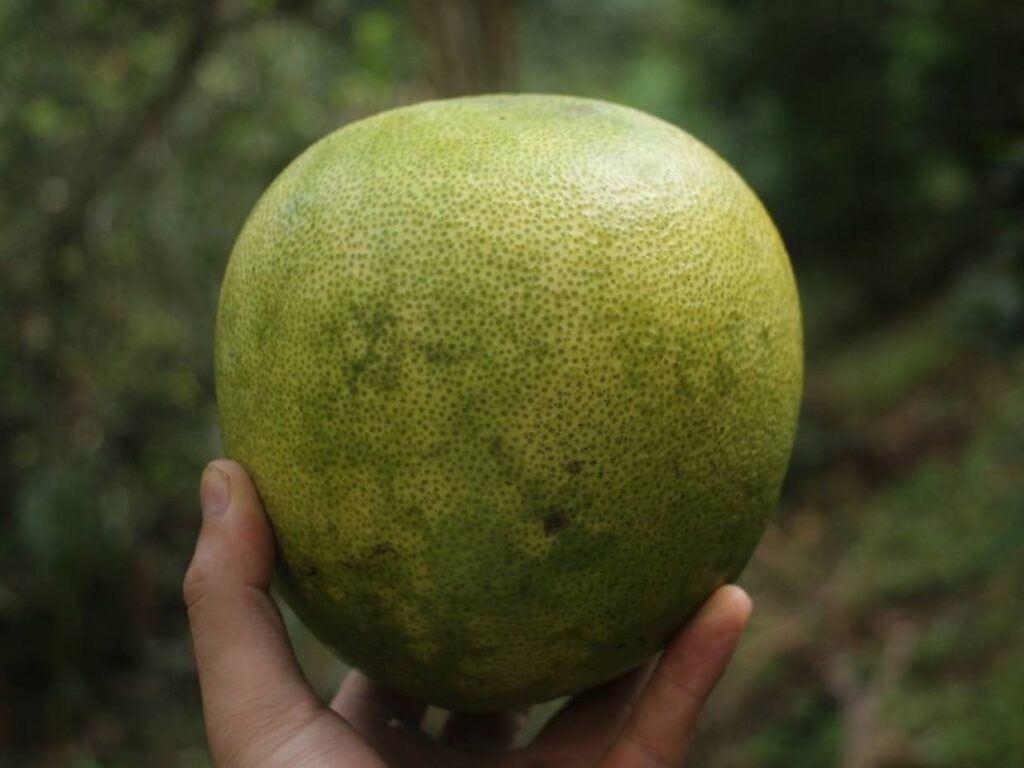
Pomelo is the largest citrus fruit in the world — a close relative of Japan's zabon. Peel back the thick yellow-green skin to reveal large, juicy segments. The flavor is well-balanced: not too sweet, gently tart, and very approachable for most palates.
In Thailand, pomelo is sold pre-peeled at stalls and supermarkets. Look out for the Thapthim (Ruby) variety — its pinkish flesh is sweeter and especially prized. You'll often be handed a small packet of pink powder: a mix of sugar, salt, and chili for dipping — a quintessentially Thai flavor combination.
Thai name: ส้มโอ (Som-O)
13. Cacao (โกโก้ / Go-Go)
Thailand's rising chocolate star — from pod to bar in the tropics
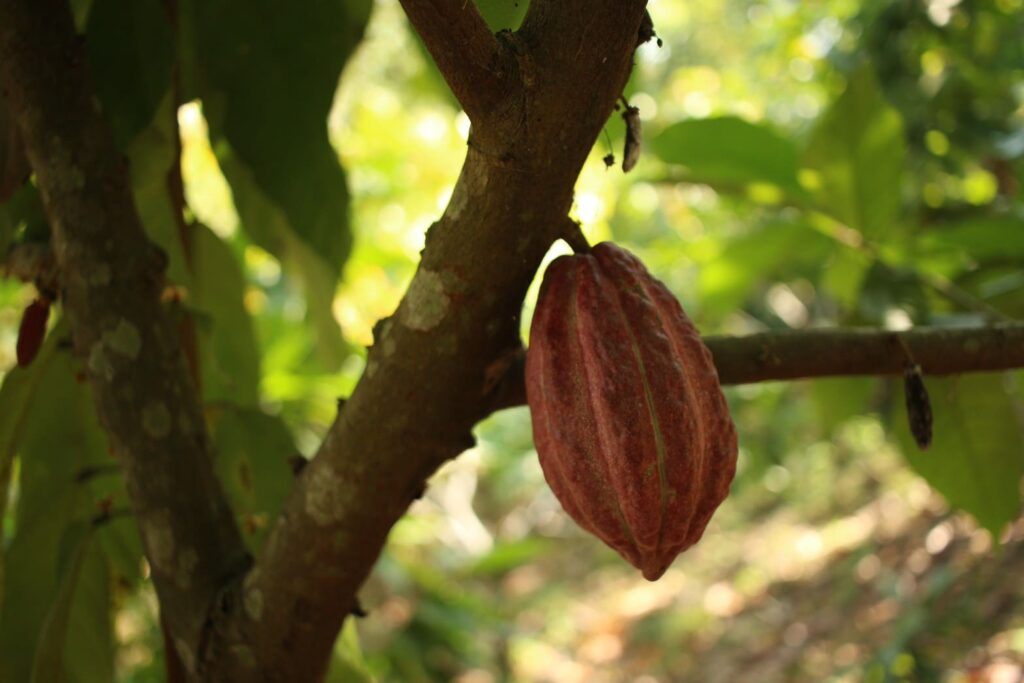
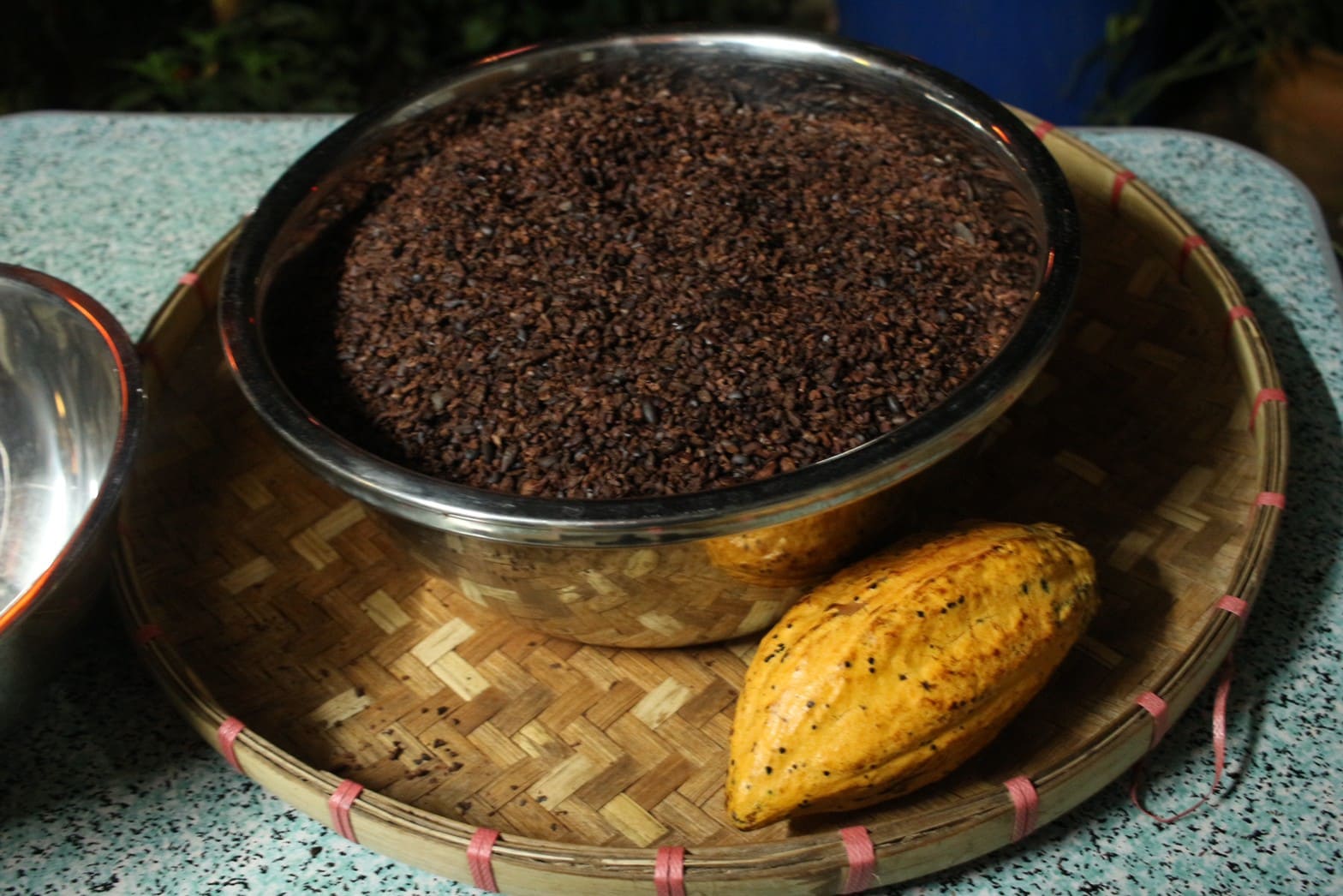
Cacao is the raw ingredient of chocolate, and it's quietly becoming a significant crop in Thailand. Located within the "cacao belt," Thailand's hot, humid climate is ideal for cultivation. Nan province in the north has earned a reputation as "cacao country" for its ambitious growing programs.
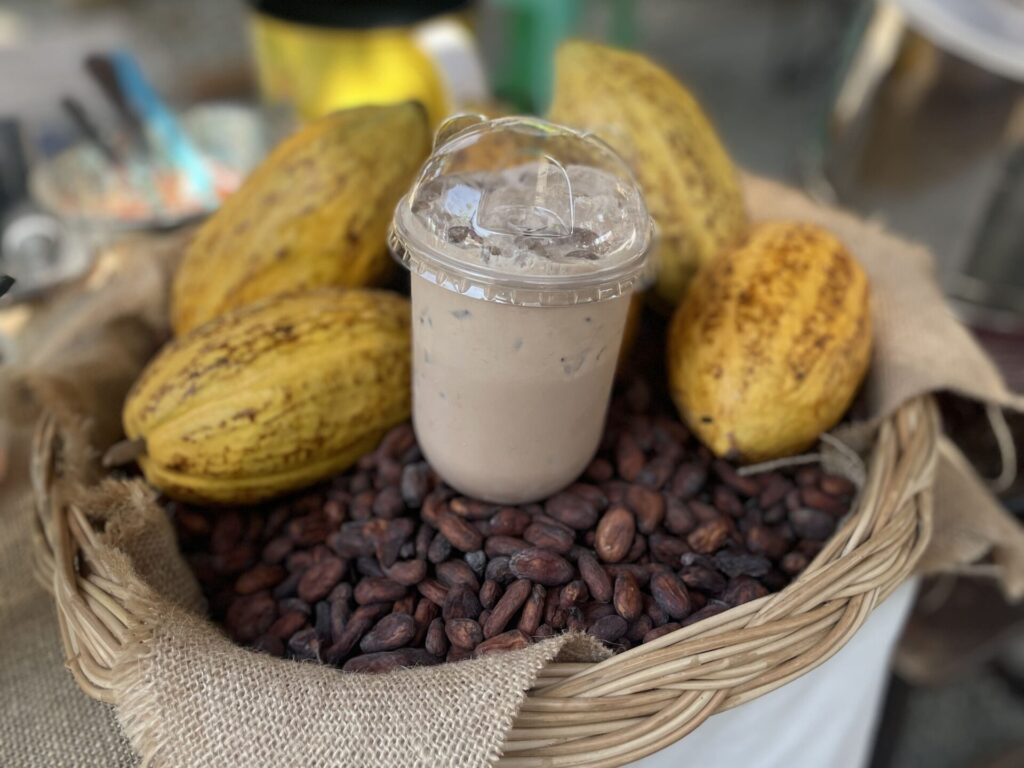
The ripe white pulp surrounding the seeds is sweet-tart and can be fermented into a drink. The seeds are fermented, dried, roasted, and transformed by craft chocolatiers into rich, complex chocolate products.
Want to see cacao turned into chocolate firsthand?

Thai name: โกโก้ (Go-Go)
14. Coffee (กาแฟ / Kafae)
High-altitude Arabica and bold Robusta — Thailand's specialty coffee is world-class
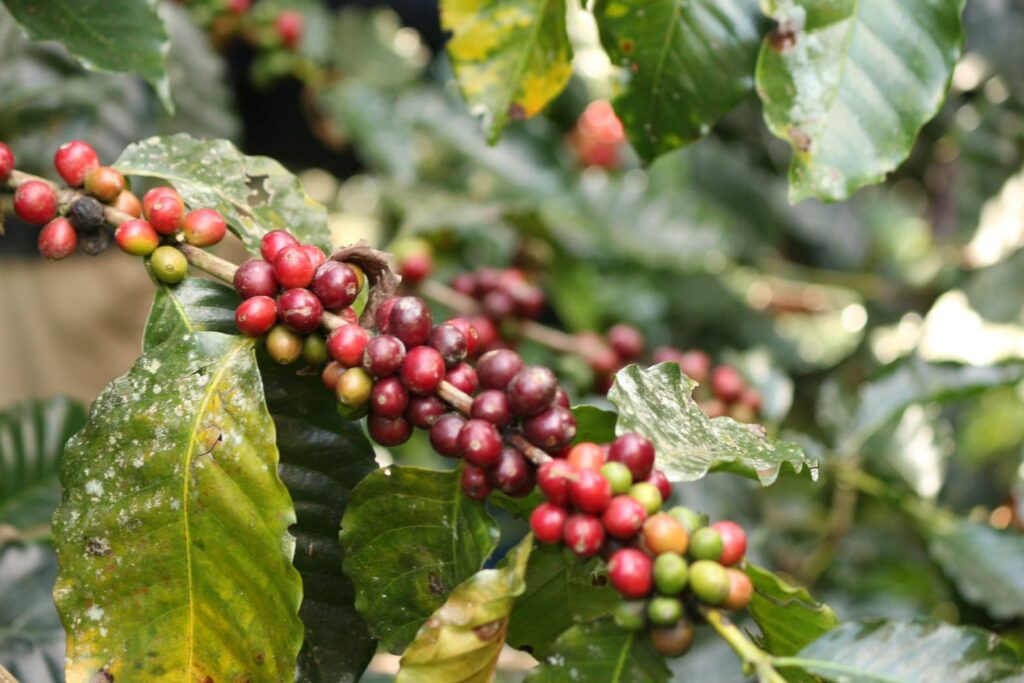
Thailand is a serious coffee-producing nation. The northern highlands grow high-quality Arabica beans — with Doi Tung and Doi Chang in Chiang Rai among the most celebrated origins, prized for rich flavor and complexity. In the south, Chumphon province grows heat-resistant Robusta used in Thailand's beloved strong iced coffees.
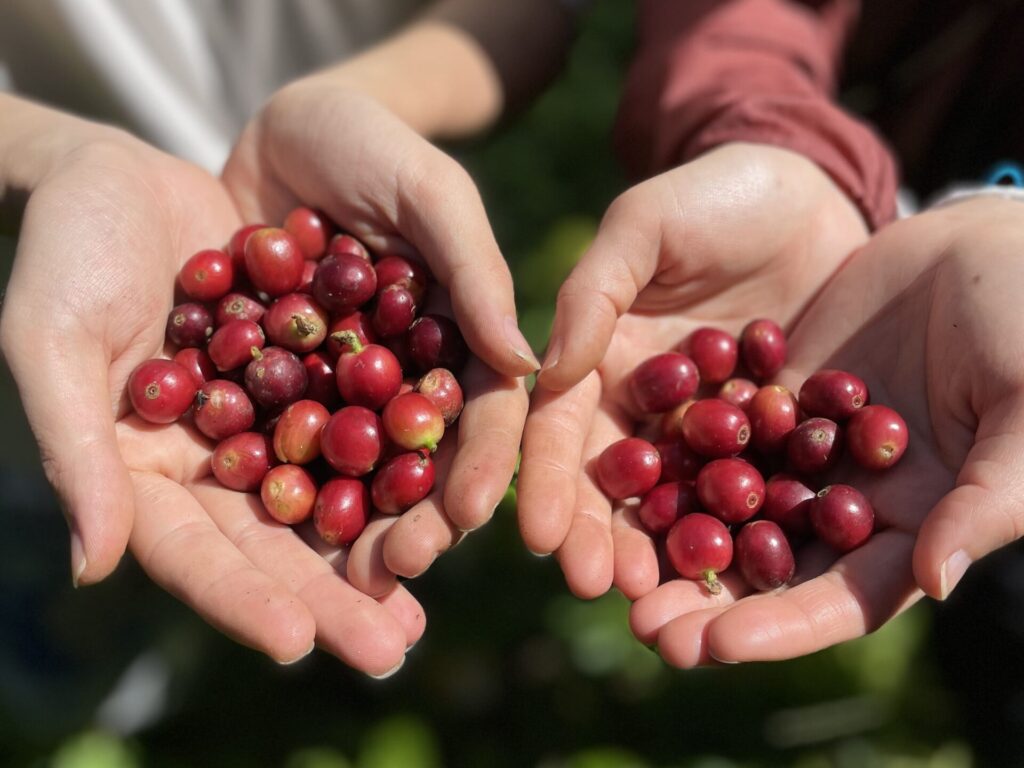
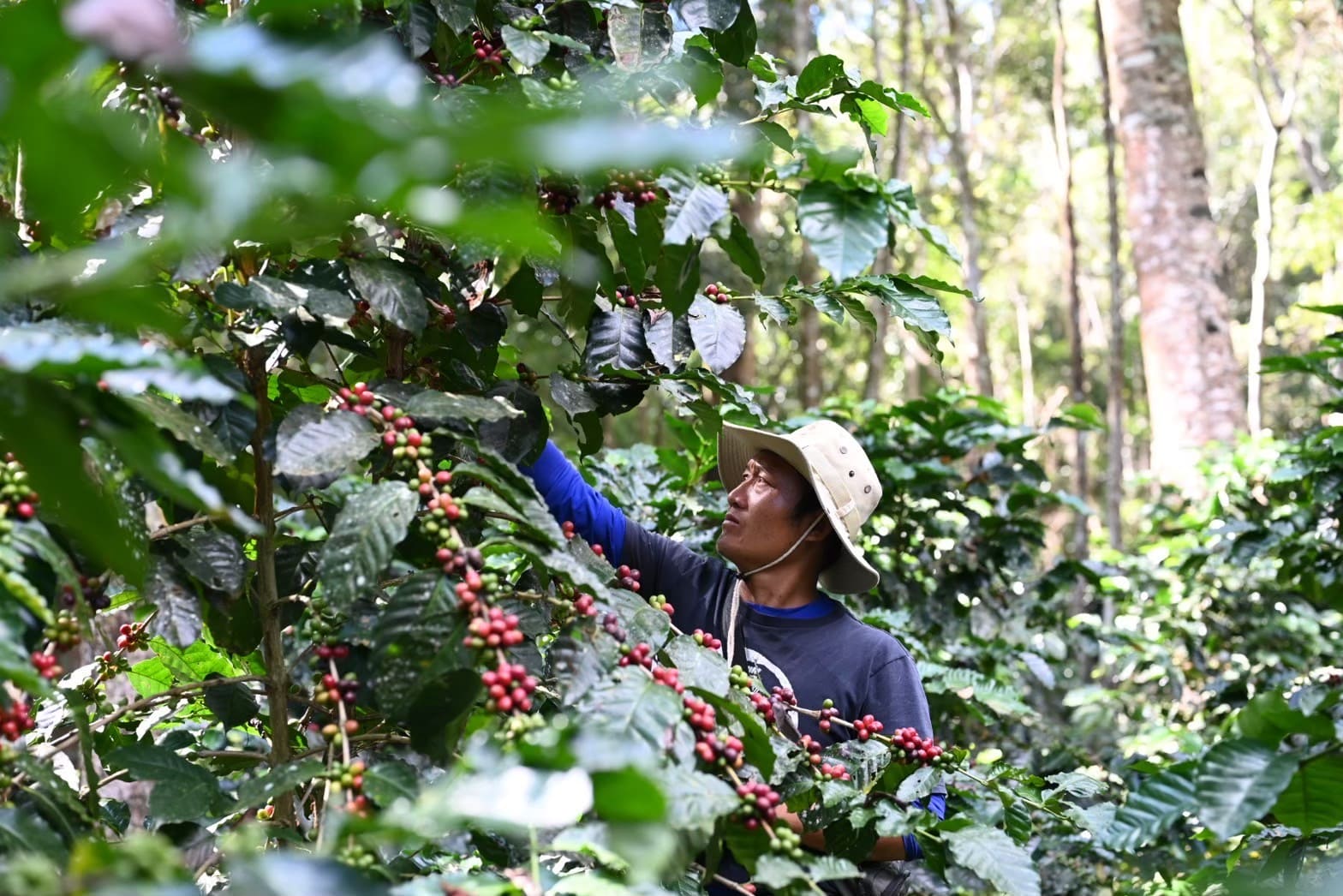
Coffee beans are the seeds of the coffee cherry — a small red fruit whose pulp is sometimes brewed into a tea called cascara. Harvest in the north runs November to February, with ripe cherries hand-picked one by one. Coffee cultivation provides vital income for hill tribe communities, and the quality of Thai specialty coffee has risen dramatically in recent years.
Thai name: กาแฟ (Kafae)
Year-Round Fruits
15. Banana (กล้วย / Kluay)
100+ varieties and counting — Thailand's most beloved everyday fruit
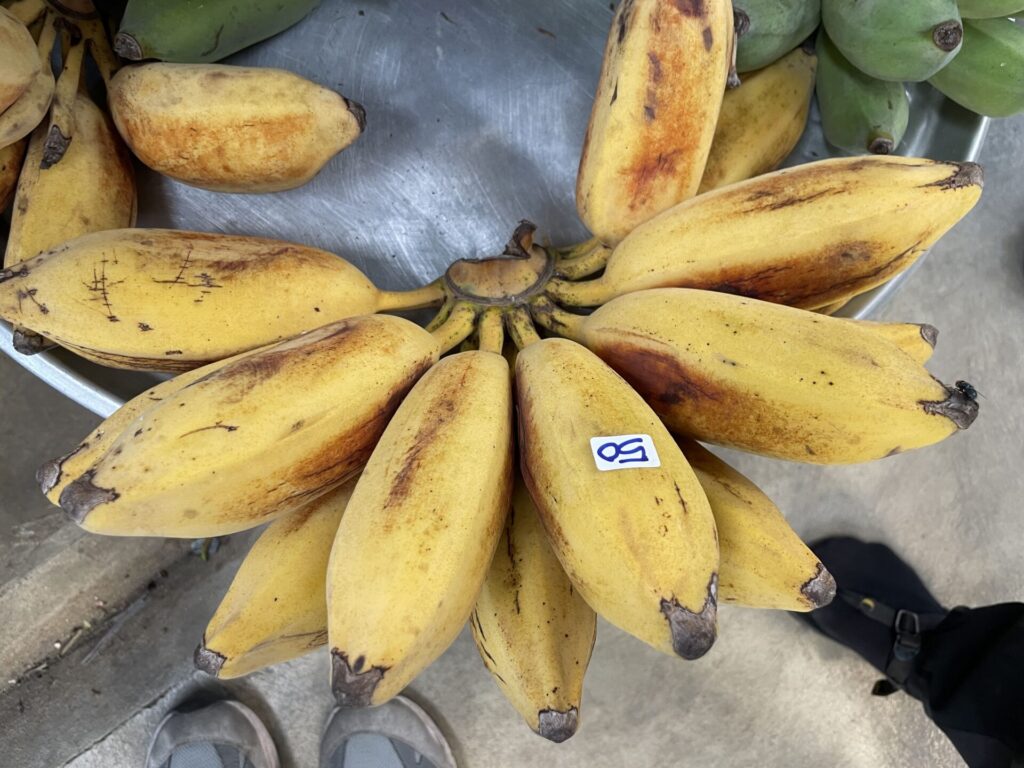
Thailand claims over 100 banana varieties, available year-round at every market and street corner. The Kluay Khai — a small, thin-skinned variety with around 20 fingers per bunch — is celebrated for its intense sweetness and fragrance. The most common variety, Kluay Nam Wa, is eaten fresh or made into the traditional fried banana snack kluay tart, a staple of Thai food culture.
Nutritious and universally loved, bananas are enjoyed by all ages. Street stalls also serve grilled bananas and banana shakes. Grown across the country, the golden bananas of Chanthaburi in the east are particularly well regarded.
Thai name: กล้วย (Kluay)
16. Papaya (มะละกอ / Malako)
Orange jewel of the tropics — delicious ripe, indispensable unripe
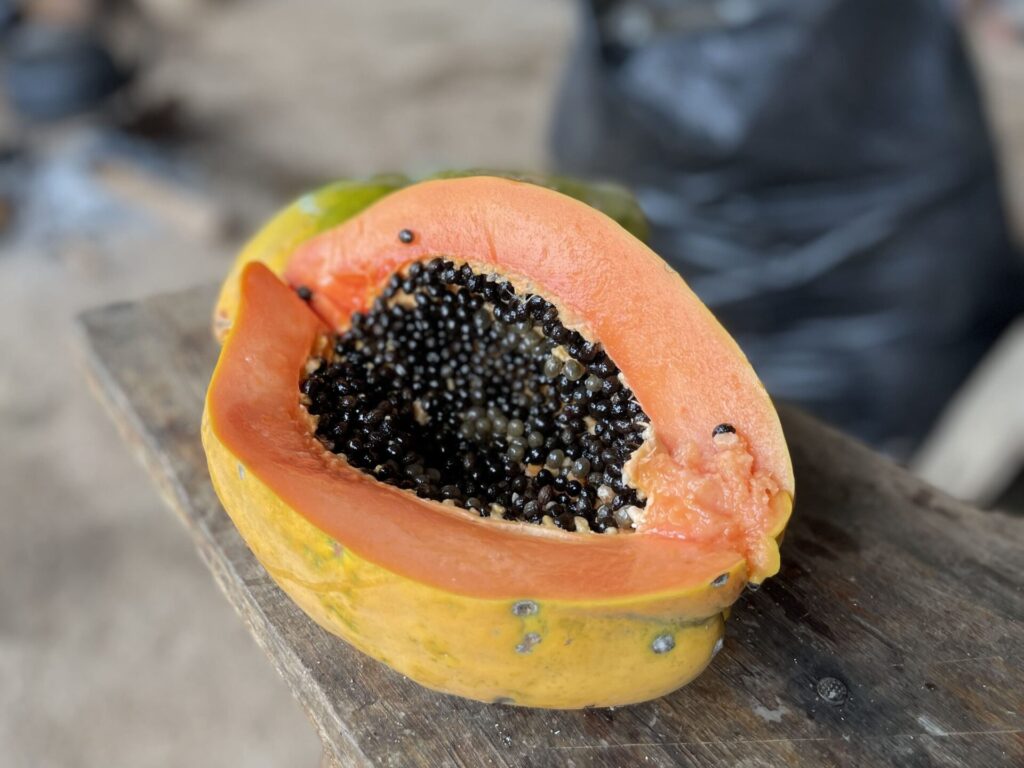
A ripe papaya turns a vivid orange and offers soft, juicy, sweet flesh. Scoop out the black seeds from the center, slice, and enjoy. Rich in vitamin C, beta-carotene, and the digestive enzyme papain, papaya supports gut health and glowing skin.
In Thailand, unripe green papaya is equally famous — shredded and tossed with chili, lime, fish sauce, and peanuts to make som tum, arguably Thailand's most iconic salad. Available year-round, papaya is sweetest from November to February. Many Thai families grow it in their own gardens.
Thai name: มะละกอ (Malako)
17. Passion Fruit (เสาวรส / Sawarot)
Burst of tropical intensity — sweet, tart, and wildly fragrant
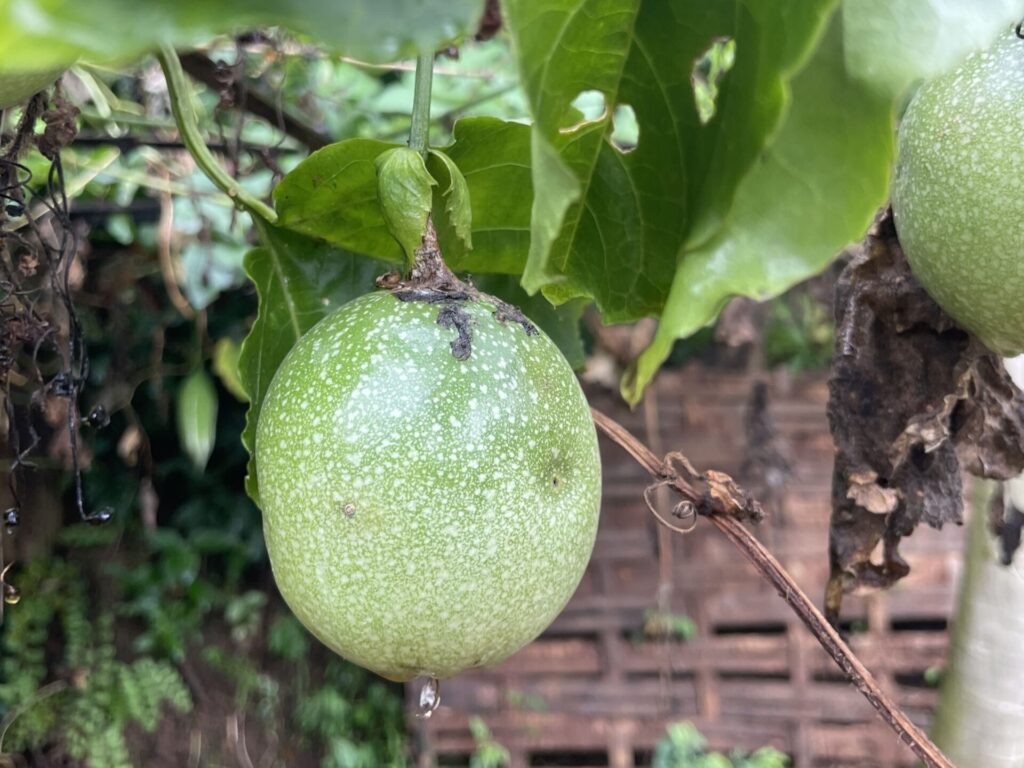
Passion fruit hides behind a hard purple or yellow shell, but crack it open and the translucent pulp and seeds inside deliver a powerful punch of sweet-tart tropical flavor and intoxicating aroma.
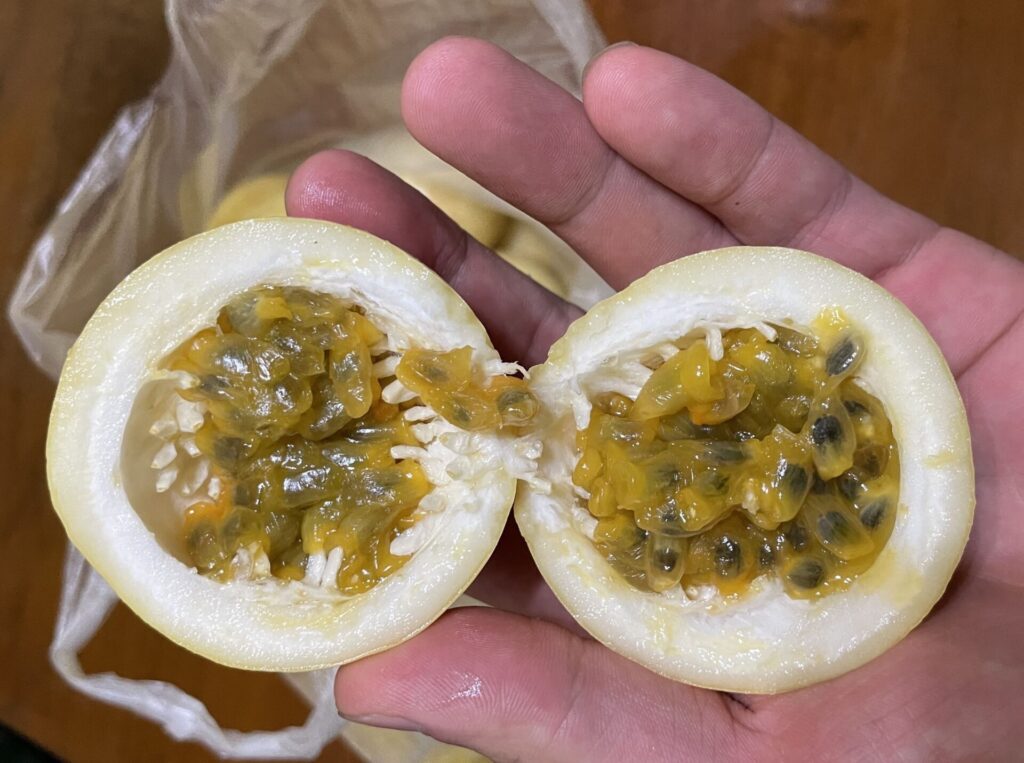
A key tip: don't rush it. Freshly harvested passion fruit is very sour — wait until the skin starts to wrinkle before eating for the best sweetness. Blended into fresh juice, stirred into yogurt, or enjoyed straight from the shell, passion fruit is a year-round treat. Peak season is the rainy season (July to September). The Thai name sawarot means "enchanting flavor" — and it lives up to the name.
Thai name: เสาวรส (Sawarot)
18. Guava (ฝรั่ง / Faran)
Vitamin C powerhouse — Thailand's favorite crunchy snack fruit
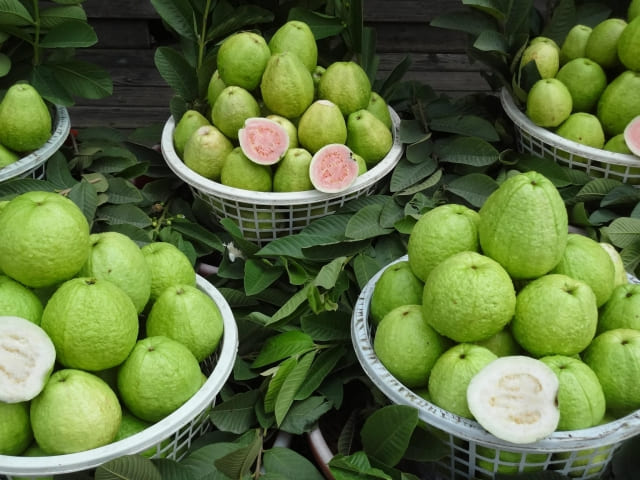
Called faran in Thai, guava has a bumpy pale-green exterior that belies its refreshing, crisp flesh inside. Younger fruits are pleasantly tart and slightly astringent — an acquired taste that quickly becomes addictive. Fully ripe guava softens and sweetens considerably, similar to a ripe pear.
Guava contains over twice the vitamin C of lemon, plus generous amounts of potassium, making it a beauty and wellness staple among health-conscious Thai women. At street stalls, the classic way to eat it is whole, dipped into a mix of sugar, salt, and chili. Don't miss freshly pressed guava juice at morning markets.
Thai name: ฝรั่ง (Faran)
19. Watermelon (แตงโม / Taeng Mo)
The ultimate heat-beater — crimson, cooling, and always available
Watermelon (taeng mo) is a Thai market constant, available every single day of the year. The vivid red flesh is sweet, incredibly juicy, and perfectly suited to quenching thirst in the tropical heat. You'll always find it piled high at fruit stalls and street carts — an essential part of the Thai streetscape.
Rich in potassium (great for reducing bloating) and lycopene (a powerful antioxidant in the red flesh), watermelon is as nutritious as it is refreshing. It's frequently blended into juice and smoothies, and in Thailand, roasted watermelon seeds are a popular snack.
Thai name: แตงโม (Taeng Mo)
20. Pineapple (สับปะรด / Sapparot)
Sun-soaked sweetness — so juicy, even the core is edible
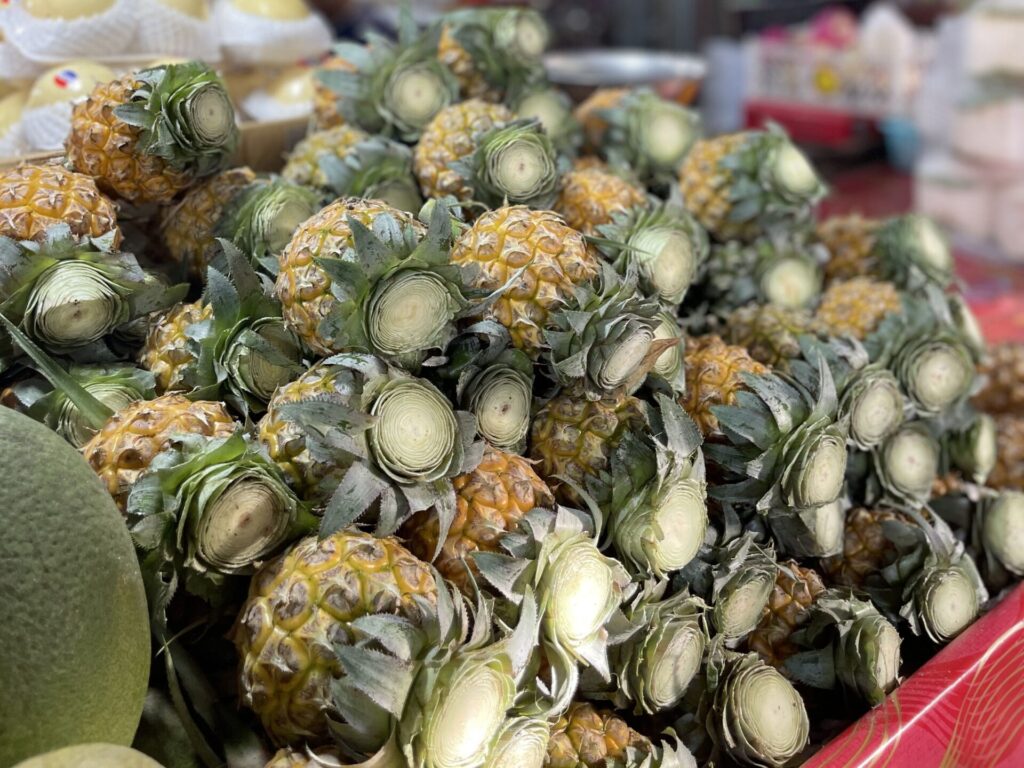
Thai pineapples are harvested year-round across the country. Soaked in tropical sunshine, the flesh balances deep sweetness with a bright acidity — and thanks to low fiber content, even the core is soft enough to eat, which sets Thai pineapple apart from many other varieties.
Bursting with vitamins A, B, and C, pineapple supports immunity and skin health — welcome relief after long days in the intense tropical sun. The famous Phuket pineapple from the south is small, intensely sweet, and prized for both fresh eating and cooking. At markets, look for pre-cut cold pineapple in bags — a perfect on-the-go tropical snack.
Thai name: สับปะรด (Sapparot)
Note: Peak seasons listed above are general guidelines and may vary by region and variety. When you spot any of these fruits on your travels, don't hesitate to try them fresh — that's when they're at their best!
We've included local Thai names for each fruit throughout this guide — use them at the market for an authentic and appreciated interaction with vendors!
※ Information in this article is based on conversations with local Thai people and references from the Tourism Authority of Thailand and local agricultural sources.